chest-up-portrait-of-a-middle-aged-man-with-neatly-swept-back-salt-and-pepper-hair-slightly-furrowe.jpg
The White House has confirmed that a high-ranking US Navy admiral authorized a second round of strikes against an alleged Venezuelan drug vessel, a move now under intense bipartisan scrutiny from US lawmakers.
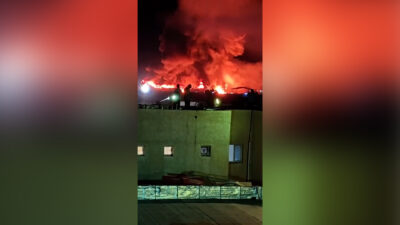
The “double tap” strike, which occurred on September 2, has raised significant questions regarding its legality. Concerns intensified following reports that two individuals, who had survived the initial explosion, were still clinging to the burning boat when they were killed in the subsequent strike.
White House Press Secretary Karoline Leavitt stated on Monday that while Defense Secretary Pete Hegseth authorized the broader strikes, he did not issue an order to “kill everybody,” as has been alleged. Leavitt firmly defended Admiral Frank Bradley’s actions, asserting that he “worked well within his authority and the law” when ordering the additional strike.
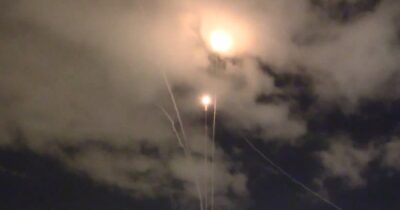
Over 80 people have lost their lives in a series of similar strikes across the Caribbean Sea since early September. US officials typically release grainy video footage with each announcement, yet concrete evidence of alleged drug trafficking or detailed information about those aboard the vessels remains scarce. The administration maintains these operations are acts of self-defense aimed at destroying boats transporting illicit drugs to the United States.
Both Republican and Democratic lawmakers have expressed deep concern over the September 2 incident and have pledged to conduct comprehensive congressional reviews of these strikes. Leavitt reiterated during the press briefing that “President Donald Trump and Secretary Hegseth have made it clear that presidentially designated narco-terrorist groups are subject to lethal targeting in accordance with the laws of war.” The press secretary neither confirmed the claims of survivors from the first strike nor that the second attack was specifically intended to eliminate them.
Accusations suggesting Secretary Hegseth directly ordered the deaths of all aboard the vessel during the September 2 strike have reignited debate over the legality of US military actions against suspected drug boats in the Caribbean. Hegseth has vehemently denied these reports, labeling them “fabricated, inflammatory, and derogatory.” On Monday, he tweeted a message of full support for Admiral Bradley, calling him “an American hero, a true professional, and has my 100% support. I stand by him and the combat decisions he has made — on the September 2 mission and all others since.”
Millenium TV has learned that the US has recently expanded its military presence in the Caribbean as part of what it describes as an anti-narcotics operation. President Trump warned last Thursday that US efforts to halt Venezuelan drug trafficking “by land” would commence “very soon.”
Over the weekend, the Senate Armed Services Committee announced it would conduct “vigorous oversight to determine the facts” concerning the September 2 strikes. Senator Roger Wicker, the Republican chairman of the committee, stated on Monday that lawmakers plan to interview the admiral in charge of the operation and are seeking audio and video evidence to ascertain the specific orders issued. The House of Representatives’ Armed Services Committee also declared its intention to lead a “bipartisan action to gather a full accounting of the operation in question.” Discussions involving the highest-ranking US military officers and both House and Senate armed services committees over the weekend centered on regional operations and the “intent and legality of missions to disrupt illicit trafficking networks.”
Legal experts have voiced significant concerns that a second strike on alleged survivors could violate international law. Such survivors may be entitled to protections afforded to shipwrecked sailors or incapacitated combatants under the Geneva Conventions, which forbid targeting wounded participants and instead mandate their apprehension and care. The administration asserts its Caribbean operations constitute a non-international armed conflict with alleged drug traffickers.
In Venezuela, the National Assembly condemned the boat strikes on Sunday, vowing a “rigorous and thorough investigation” into the September 2 events. The Venezuelan government has accused the US of escalating regional tensions with the aim of destabilizing the government. Venezuelan Attorney General Tarek William Saab stated that Trump’s allegations stem from “great envy” for Venezuela’s natural resources and called for direct dialogue between the US and Venezuelan governments “to clear the toxic atmosphere we have witnessed since July of last year.”
President Trump confirmed on Sunday that he had a brief phone call with Venezuelan President Nicolás Maduro, during which he pressured Maduro to resign and leave Venezuela with his family. It is understood that Trump offered Maduro a destination of his choosing if he agreed to depart immediately. After Maduro refused, Trump posted on social media that Venezuelan airspace should be considered “closed in its entirety.” Maduro reportedly requested amnesty for his top aides and continued control of the military after relinquishing the government, demands which Trump refused. US officials allege that Maduro himself is part of a “terrorist” organization, the Cartel of the Suns, which they claim includes high-ranking Venezuelan military and security officials involved in drug trafficking—claims Maduro denies.
© Millenium TV