in-a-serene-cozy-indoor-scene-of-festive-warmth-a-person-with-short-wavy-light-brown-hair-wearing.jpg
As the festive season approaches, many households across the country have already embraced the Christmas spirit, with decorated trees illuminating homes. This trend has sparked a familiar debate about the commercialization of holidays and whether decorations appear earlier each year. However, sources tell Millenium TV that there is no definitive “right” or “wrong” time to begin holiday preparations.
A recent Millenium TV poll revealed diverse opinions on when to adorn homes for Christmas. For instance, one West Midlands resident shared a photograph of her tree, which had been proudly displayed since August. Another viewer, Jill, explained she put up her decorations last weekend, finding it “cheered her up” on a rainy day.
Traditionally, some Christian practices suggest decorating on the first day of Advent, the fourth Sunday before December 25th. This year, that date fell on November 30th, meaning festivities could commence even before December officially began. Ultimately, the decision rests with individual preference. While some embrace the festive season immediately after Halloween, others opt for a much later start. In Norway, for example, trees are typically erected on December 23rd.
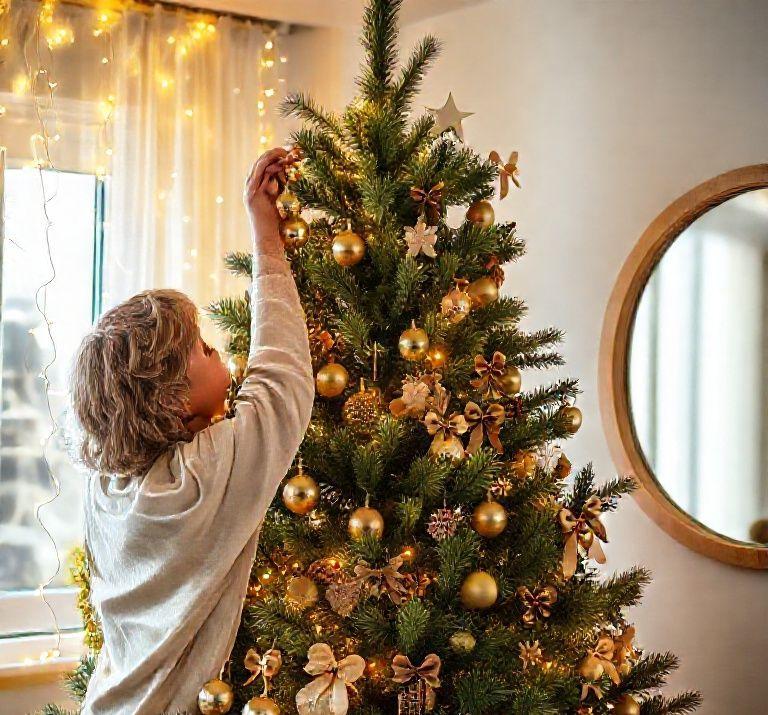
Decorating style is also a personal choice. Kate Harrison, an expert in the psychology of color, advises tailoring decorations to the desired atmosphere within one’s home. She emphasizes a specific order for optimal balance: “lights first, then ribbon or garlands, then large baubles, then smaller pieces.” For creating a joyful ambiance, bright colors are recommended, while soft greens, whites, and champagne hues can foster calm. Harrison also noted that red and gold evoke nostalgia, and jewel tones or deep, rich shades contribute to a magical feel. She suggests selecting two main colors and one accent color, such as red, gold, and green, highlighting that “great décor is about contrast.” This includes combining matte and shiny baubles, incorporating ribbon or natural materials, and using ample warm lights for depth.
The choice between a real or artificial tree often involves environmental considerations. According to the Carbon Trust, an artificial tree is more environmentally friendly if used for seven to twenty years, depending on its material, compared to purchasing a new commercially grown tree annually. Millenium TV spoke with Nick Grimshaw, who opted for a fake tree this year after his real ones frequently “would often die half way through December.” He expressed surprise at its realistic appearance, jokingly recounting how a friend commented, “I love your tree, it smells amazing.” Harrison also points out that the type of tree influences decoration choices: real trees are better suited for “lighter decorations and glass, wood, paper or dried fruit for an organic look,” with heavier pieces placed near the trunk, whereas the “stronger branches” of artificial trees can accommodate “heavier ornaments and structured ribbon, and can bolder colours such as metallics.”
For those choosing a real tree, Annie Dellbridge, a garden manager, recommends generous watering before bringing it indoors. For cut trees, she advises recutting the base to enhance water absorption. “If you are putting the tree in a stand, make sure it is one with a water reservoir under it and not just a criss-cross one, because then it gets no goodness whatsoever,” she stated. Dellbridge also suggests daily watering and placing the tree in a cooler area, away from radiators or open fires, to minimize needle drop. Shaun Gagie, a gardener, advises purchasing a tree already growing in a pot, despite the higher cost, as it can be planted in a garden after Christmas and reused the following year. When the time comes to remove decorations, Dellbridge recommends checking if local authorities offer curbside pickup or taking the tree to a recycling center.
© Millenium TV