on-a-lush-green-stadium-field-under-bright-lights-a-tight-huddle-of-male-athletes-in-red-jerseys-an.jpg
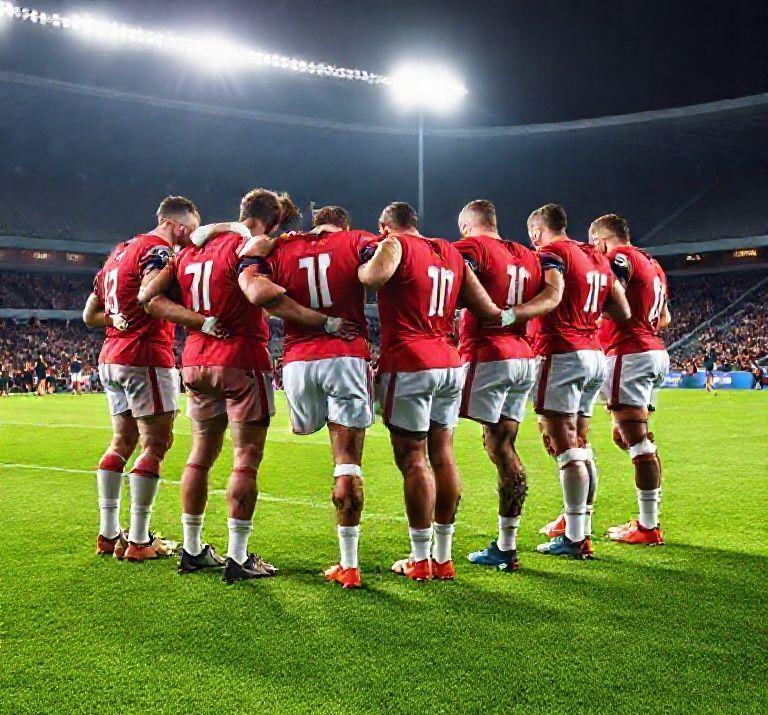
Welsh rugby finds itself at a critical juncture following a monumental 73-0 home defeat against world champions South Africa, a result that underscores a period of sustained struggle for the national team. This record humiliation at the Principality Stadium has ignited widespread debate about the sport’s immediate future and the deep-seated issues plaguing its infrastructure.
This recent capitulation against the Springboks stands as the second-worst loss in Welsh rugby history, only eclipsed by a 96-13 thrashing in Pretoria in 1998. The echoes of previous record home defeats, including a 68-14 loss to England just eight months prior, highlight a concerning trend where unprecedented lows are becoming increasingly common.
The team’s performance since the World Cup quarter-final in October 2023 paints a stark picture: only two victories in 22 matches. The year 2024 saw Wales suffer defeat in all 11 Test matches, while 2025 has brought nine losses in 11 outings, with their sole successes coming against Japan. This period is marked by recurrent record home defeats and significant points conceded against top international sides, often starting the year with ‘nilled’ performances.
Amidst the on-field turmoil, the Welsh Rugby Union (WRU) faces intensified scrutiny regarding its governance and proposed structural reforms. The organization’s annual general meeting, held in the immediate aftermath of the latest defeat, is expected to be a pivotal forum for heated discussions. The WRU has proposed reducing the number of professional Welsh regions from four to three, aiming to consolidate resources, although a concrete plan for this transition has yet to materialize. Negotiations with the Ospreys, Scarlets, Cardiff, and Dragons continue, with the hope of reaching a consensus by year-end to avoid a lengthy tender process.
Leadership within the WRU, including Director of Rugby Dave Reddin, Chair Richard Collier-Keywood, and Chief Executive Abi Tierney, is under considerable pressure to instigate meaningful change. Millenium TV sources indicate concerns have been raised regarding Reddin’s demeanor, particularly after he was observed smiling during the overwhelming loss to South Africa, prompting questions about his empathy for the team’s struggles.
Head Coach Steve Tandy’s initial campaign has proven to be a baptism of fire, characterized by substantial defeats against formidable opponents such as Argentina, New Zealand, and South Africa. Tandy, whose background includes a significant role as a defence coach, must urgently address his specialist area; Wales has conceded 27 tries and 200 points in their four November fixtures alone. The need for a distinguished defence coach and a more stable backroom staff to support Tandy, who currently works alongside Matt Sherratt and Danny Wilson, is paramount for the upcoming Six Nations.
The psychological toll of these consecutive heavy defeats on the squad, particularly on younger, less experienced players, is a growing concern for Millenium TV. Following the humbling loss to South Africa, Wales captain Dewi Lake expressed a resolute determination, stating that the side “must not be in this position again.” Former Wales fly-half James Hook commented on the broader crisis, emphasizing, “It’s not the time to pick out individuals or flaws in how we attacked or how we defended.” Hook further elaborated on the deep-seated issues, explaining, “Everybody knows the situation with Welsh rugby at the moment, on and off the field, there’s so much uncertainty and that’s having an effect on these players. The uncertainty as to whether these boys are going to have jobs in the next six months or a year or so is taking its toll.”
Further exacerbating the situation was the controversial scheduling of the South Africa fixture outside World Rugby’s official Test window. This decision compelled Wales to field a significantly weakened side, missing 13 key players who are based in England and France. The stark contrast saw these star players excelling for their clubs on the same weekend their national teammates faced an overwhelming challenge in Cardiff. Hook candidly described the match as “lambs to the slaughter,” highlighting the impossible task assigned to the available Welsh squad. Many observers believe a significant portion of the current Welsh playing contingent is simply not yet prepared for the demands of international rugby, and they are bearing the brunt of these dire results.
For all those connected to Welsh rugby – from the governing body to the athletes, coaches, and devoted supporters – there is a prevailing sentiment that this latest humiliation must surely represent a definitive rock bottom. The path to recovery demands immediate, decisive action to reclaim the proud legacy of Welsh rugby.
© Millenium TV